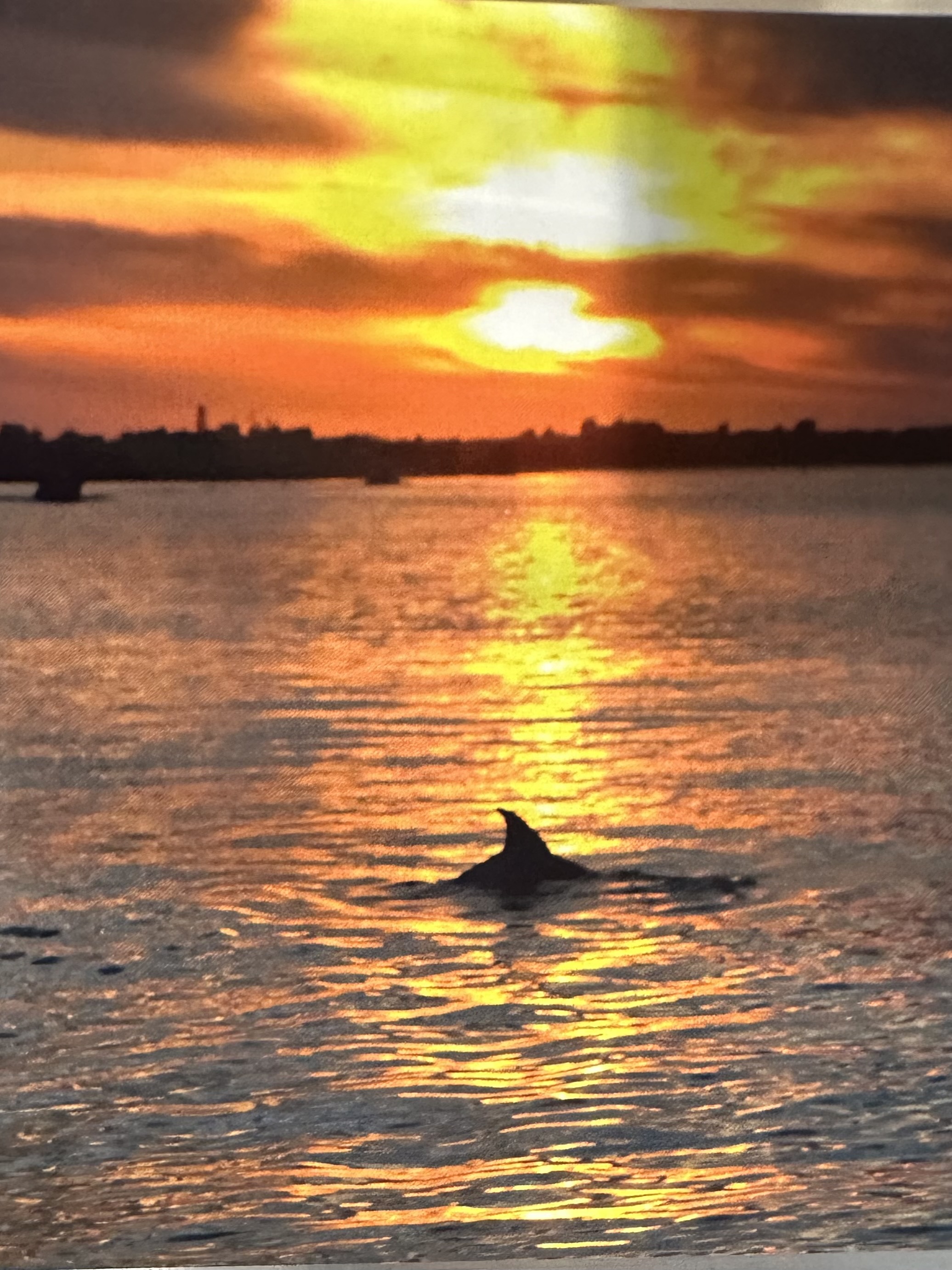
I walked into the gift store at North Carolina’s Maritime Museum at Beaufort and saw a postcard: a bottlenose dolphin swam peacefully in the reflection of a setting sun…
“Wow.” I thought to myself, What a 180″.
I had just walked out of an exhibit telling the history of North Carolin’a whaling past. Bottlenose dolphins are technically whales. They are a toothed whale in the order of Cetacea. And not too long ago, bottlenose dolphin were hunted just like whales.
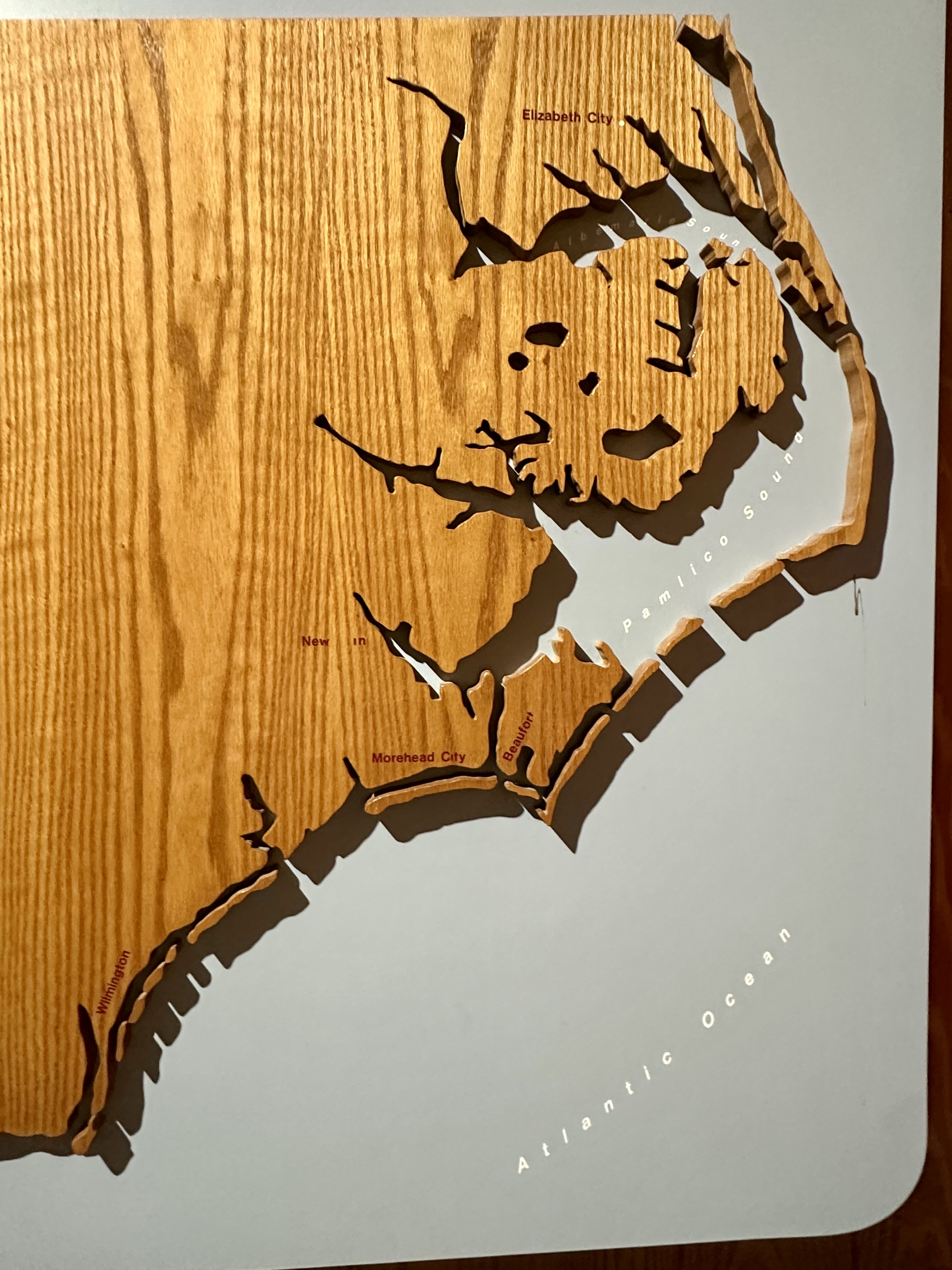
From about 1790 to 1920 per season several thousand bottlenose dolphins, mostly off Beaufort and Hatteras, were encircled with long nets and hauled to the beach to be “processed.” Beaufort’s Shackleford Banks lie just to the southeast and are part of a long string of barrier islands extending northward into the Atlantic as the Outer Banks, cresting at Cape Hatteras.
I can’t even imagine what occurred while killing and processing the thousands of dolphins, but it is probably similar but en masse to the deaths of the much larger Right Whales, that also migrate and bring their young to these magnificent shorelines. This over-hunting remains with us today. Right Whales are now endangered with about 380 remaining and there are two stocks of bottlenose dolphins passing through North Carolina waters that are designated by NOAA as “depleted”.
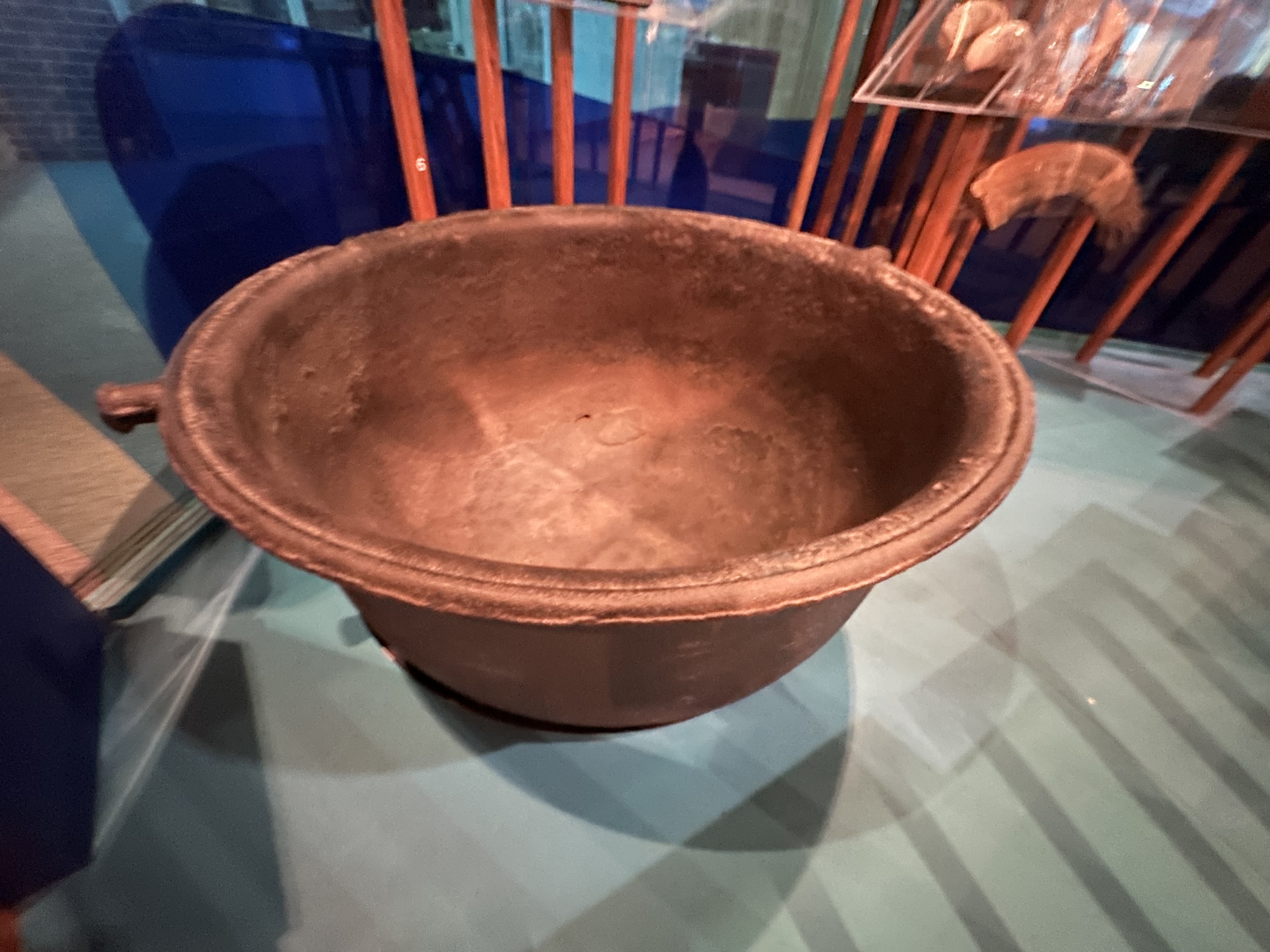
Why were the dolphins hunted? For the same reason whales were hunted. Dolphins, what locals called “porpoises”, were hunted for their very valuable oil. In fact those on the beach were called “oilers”. The oil was taken from bottlenose dolphin jaws and melons (used for echo location) and utilized for many fine purposes including lighthouses and watch lubricant. Blubber was cooked down in large pots.
Today in 2026, just over one-hundred years later, locals are not hunting dolphins but offering dolphin sunset tours. Do you think the dolphins know that we hunted their ancestors? I would think so as they are highly intelligent and perhaps transfer oral histories that we cannot understand.

The commercial fishing of dolphins lost steam in the 1920s when cheaper petroleum based products became available and the fishing industry fell upon difficult economic times. By the 1970s hunting dolphins had become illegal. In an incredible reaction to the loss of life, the Marine Mammal Act of 1972 banned the hunting, killing, capturing and harassing of all marine mammals in U.S. waters and protects all marine mammals, including whales, dolphins, porpoises, seals, sea lions, manatees, sea otters and polar bears.
So here I am in Beaufort today, and I’m purchasing a post card with a dolphin on it, an animal that was once hunted by the thousands, by the hundreds of thousands.
Incredible….
As a nation, and as states, we have made 180s before, and we can do it again.🐬