Captain Ed and I have been traveling southern waterways for about one month. I have gone from crabby to cheerful, now as joyful as a cicada in an oak tree. My stress level has lessened and Ed likes being around me much better than at the beginning of the trip.
So far, my first-mate skills have been exemplary. There have been no catastrophes while docking and Ed has done a good job too. Captain Ed keeps telling me : “If you keep patting yourself on the back, you’re going to break your arm!” This makes me laugh.
Part of my elevated mood lies in the fact that we have been passing through some of the most historic, beautiful and memorable cities along the southern Intercostal Waterway.


Thunderbolt,⚡️ Georgia
Yes, that’s the city’s name! According to legend, the native people reported that a severe lightning strike broke open the bluff causing a spring to gush from the ground. The location was named “Thunderbolt” by English General James Edward Oglethorpe in 1733 and is located just southeast of Savannah, on the Wilmington River.
The original commerce was maritime shipping, but it evolved into a major commercial fishing and seafood processing industry. You might recall, as a kid, eating flash-frozen, breaded, fan-tailed shrimp? In 1948 Henry Ambos commercialized the process right here in Thunderbolt. Today shrimp boats have given way to marinas and tourism, and the beautiful, marshy shoreline is quickly being developed for condominiums. Thunderbolt actually reminds me of what Stuart, Florida, my hometown, used to be. As Finito pulled away from the dock I waved to the dockhand yelling: “Don’t let them destroy your beautiful little town!”


~Beaufort, South Carolina
Beaufort may be my very favorite southern city. From the marshes of Port Royal extends the Beaufort River. The city is a living time capsule of American history. A striking sight with towering oaks and church steeples prominently visible across the horizon. Beaufort is totally accessible by boat, meaning once docked, one doesn’t have to cross a freeway or worry about getting hit by a car. St. Helena Parish appears the tallest and is one of the oldest active churches in North America. Surrounded by a graveyard crowded with live oaks and Spanish moss, it entombs soldiers, politicians, and priests going all the way back to the 1700s. Noteworthy is that both Confederate and Union soldiers rest here.
“St. Helena” is also the name of a nearby island connected by bridge. Once home to plantations, it became the headquarters of the “Port Royal Experiment”, a massive social, educational, and economic movement to assist with the chaos and difficulties resulting from the Civil War and the thousands of freed slaves. Direction was needed and Beaufort was the epicenter. Having fallen in 1862, the city became flooded with Northern missionaries, abolitionists, philanthropists and educators, leading the way.
Some historians call the Port Royal Experiment the “rehearsal for Reconstruction.” As part of this experiment, the Penn School was established and it was here that former slaves and the entire South really began to rebuild lives. I was told by Inda, our Gullah-Geechee guide, that years later, Martin Luther King Jr. drafted his “I have a Dream” speech in this sanctuary.


– Charleston, South Carolina

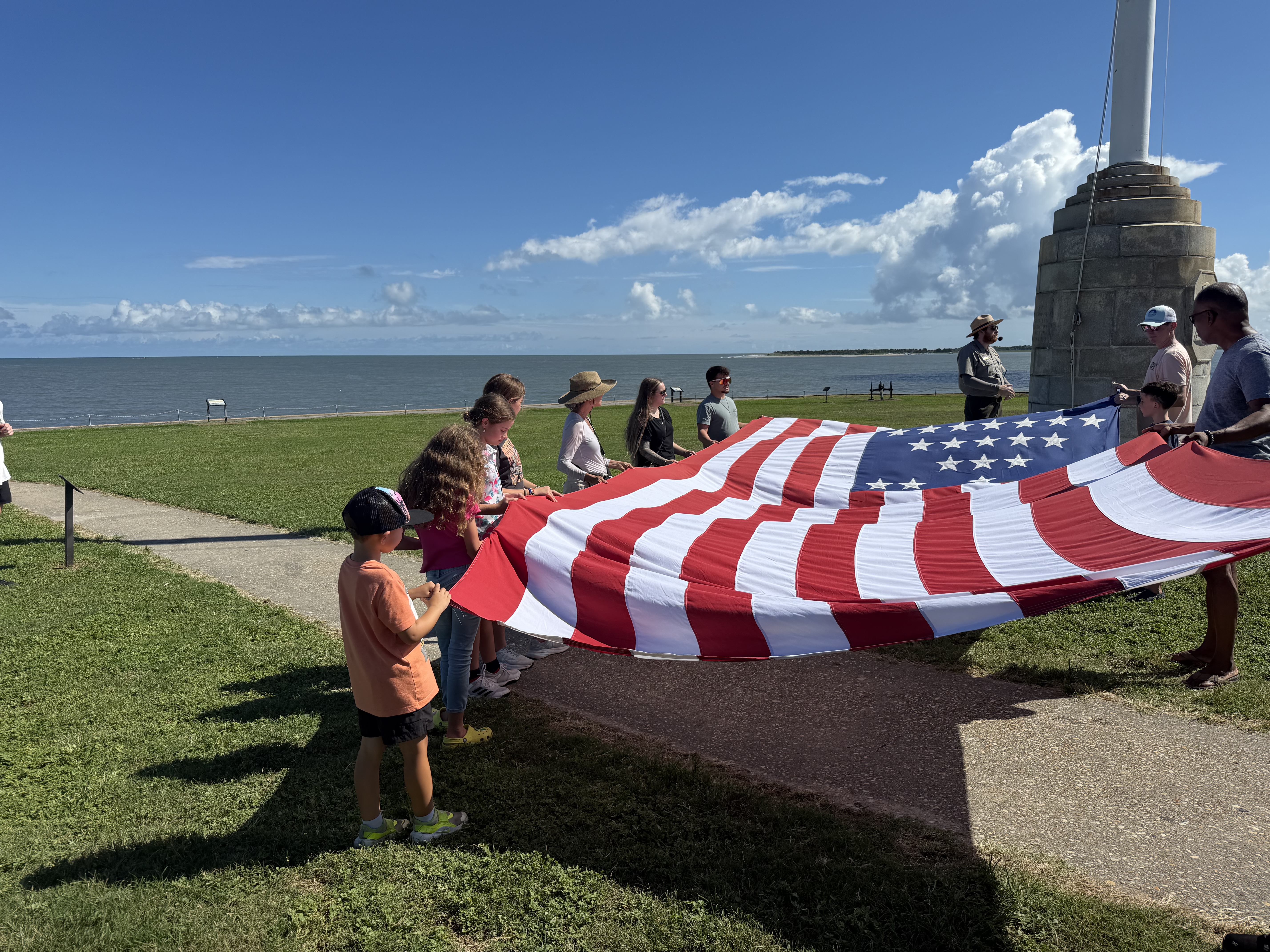
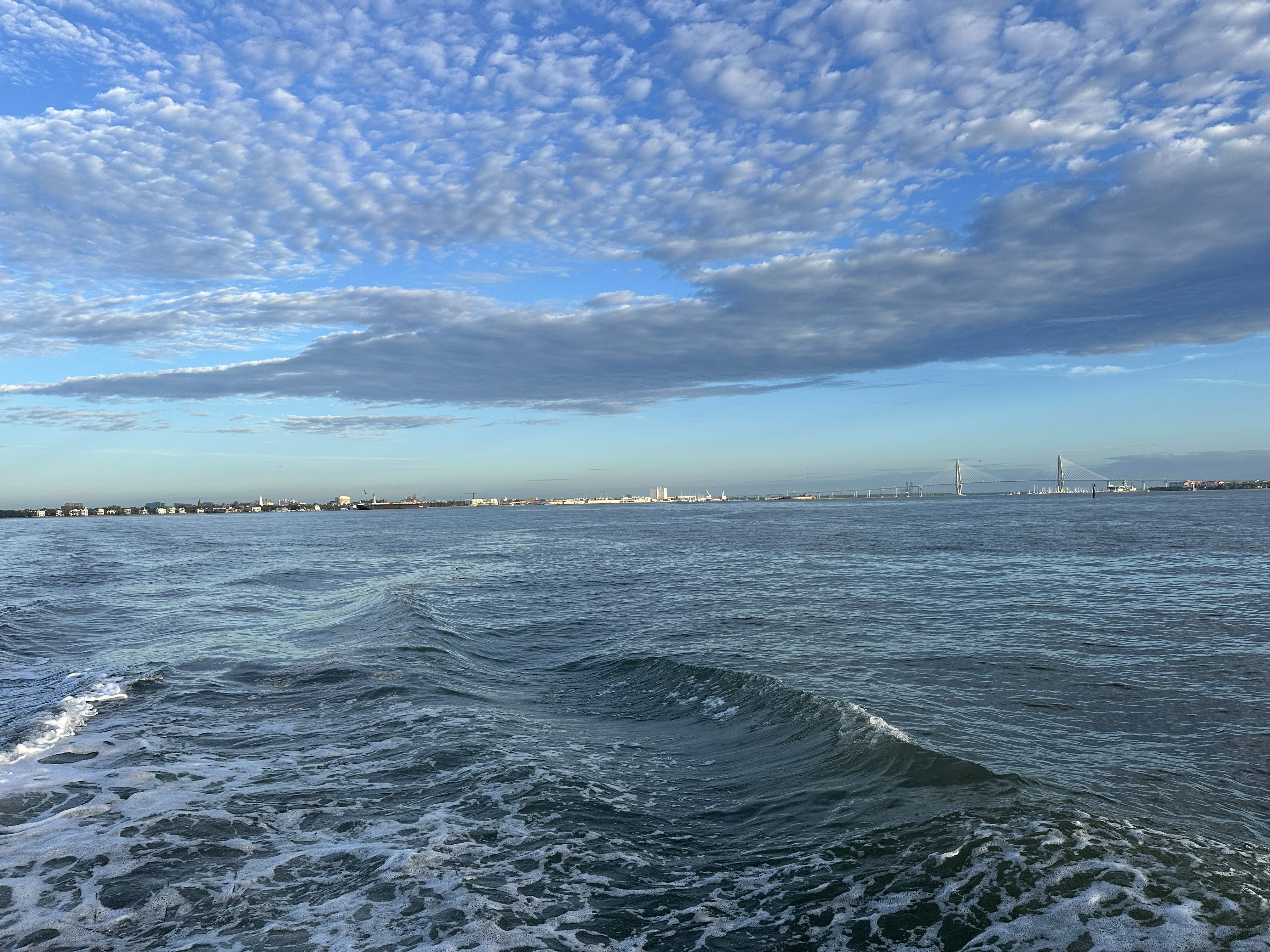
Charleston is a thriving modern city holding so much of the hard core Southern past; its history, unparalleled and difficult. But the most memorable experience of Charleston had nothing to do with the man made world. It was not the great food, visiting family and friends, walking King Street, visiting Gadsden’s Wharf and the International African American Museum, or Fort Sumter. My favorite part of visiting Charleston was meeting its famous oak tree.
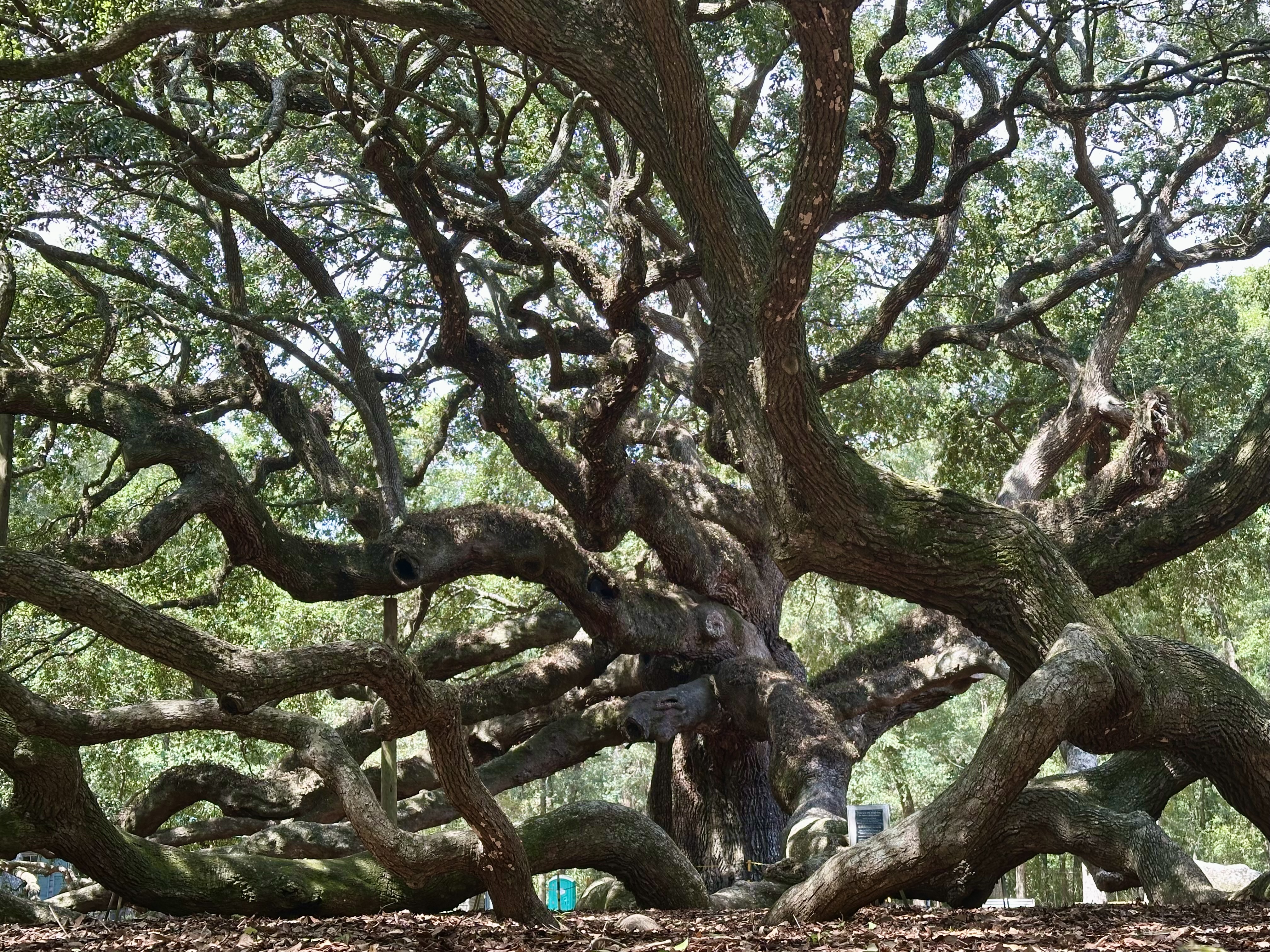
The Angel Oak, named after the family who owned the land, is located on John’s Island and is managed and protected by the City of Charleston. This magnificent live oak is between 300 and 400 years old and is the is the largest live oak east of the Mississippi. It is gigantic, mind blowing, measuring 25 and 1/2 feet in circumference, 66 feet high, with a canopy covering 17,200 square feet. The ancient tree’s tangled and wind blown branches are fastened in time — going forward. Indeed, this strong, resilient, beautiful, and spectacular tree has seen “it all” and represents the difficult and timeless beauty of the South.